

Introduction: The Endgame After the Endgame
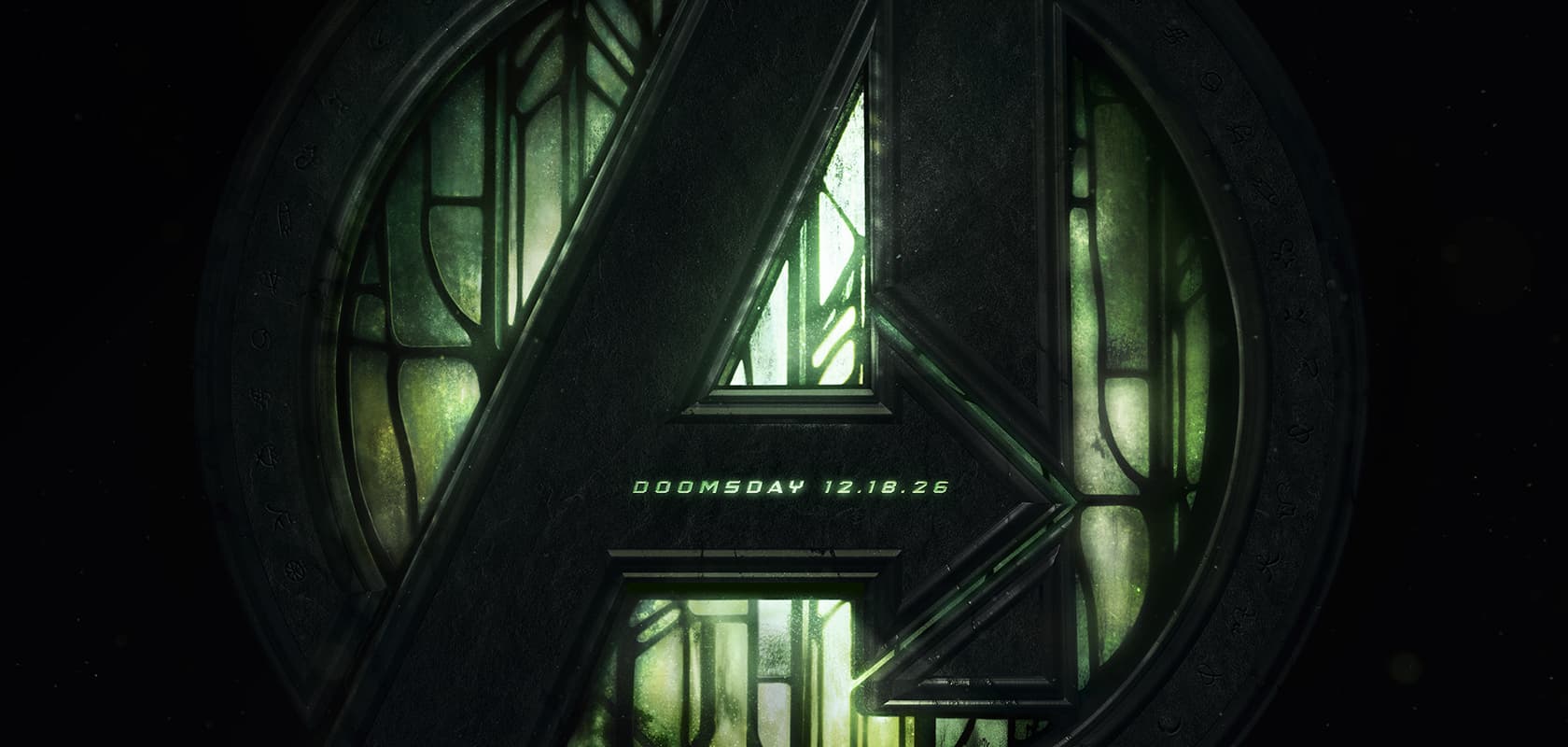
Marvel Studios is stepping into what might be its biggest era yet with Avengers: Doomsday. It’s being set up like a major MCU turning point, the kind that could reset everything. Ever since Endgame, the MCU has been messy on purpose. Timelines are split, new heroes are trying to find their place, and the multiverse is getting pushed to the edge.
What’s interesting is Marvel didn’t drop one big traditional trailer. Instead, they’ve been releasing multiple short teasers that focus on different characters and different themes. They’re not really telling us exactly what Doomsday is yet. They’re pushing a bigger question instead: What happens when legacy, power, and survival all crash into each other at the same time?
Here’s what each teaser has shown so far, and what it’s really hinting at.
Trailer 1: Legacy & Return
The first teaser is all about legacy. Marvel doesn’t start with explosions or chaos. They start with reflection. History. That feeling of something coming back around.
What the teaser puts upfront is the importance of the Avengers’ past, familiar faces connected to the original era, and a quieter, more emotional tone instead of instant destruction.
What it means is simple. Marvel wants people to feel that Doomsday isn’t only about new heroes. It’s about unfinished business. It’s telling us the past still matters, and that choices from earlier phases are going to come back and matter in a big way. It’s basically Marvel saying, before everything falls apart, you need to remember how we even got here.
Trailer 2: The Gods Feel Mortal
The second teaser switches the vibe and leans into the cosmic side of the MCU. But instead of making it feel bigger and stronger, it makes it feel more human.
What the teaser highlights is vulnerability more than power, gods and super-beings showing fear, doubt, or loss, and a more grounded emotional tone even with cosmic characters.
What it means is that this trailer flips the usual idea of strength. It’s not about who can hit the hardest. It’s about who has the most to lose. Whatever “doomsday” is, it isn’t just a physical threat. It’s personal. And it’s making it clear that even the most powerful characters aren’t safe this time. The message is clear: nobody is untouchable.
Trailer 3: The Shadow of Doom
Marvel still hasn’t fully shown who the main villain is, but this teaser feels darker than the others. The whole thing is built on tension and that feeling like something is coming.
What the teaser emphasizes is dark visuals and heavy suspense, a sense that what’s coming can’t be stopped easily, and the feeling that someone is pulling strings behind the scenes.
What it means is that instead of giving us a villain speech, Marvel is playing the fear of the unknown. This teaser suggests the threat is smart and strategic, not just chaos for the sake of chaos. It doesn’t feel random. It feels planned. This is where the title starts to make sense. Doomsday isn’t just a disaster. It’s something being set up step by step.
Trailer 4: Worlds Collide
The latest teaser makes everything feel bigger. It’s not just one team, one city, or one storyline. It’s like the entire MCU is being forced into the same room.
What the teaser highlights is unexpected alliances, characters from totally different corners of the MCU interacting, and political tension mixed with superhero action.
What it means is that Marvel is basically saying survival is going to require cooperation across nations, across ideologies, and across universes. People who don’t trust each other might have to work together. Old beef might have to get put to the side. Even enemies might end up becoming uneasy allies. This teaser makes it feel like Doomsday isn’t about one big fight. It’s about whether the MCU can actually function as one universe again.
Final Takeaway: Why These Trailers Matter
Marvel isn’t giving away the whole plot, and that feels on purpose. These teasers come off like emotional building blocks instead of spoilers. Legacy, vulnerability, fear, and unity.
Put together, they paint a picture of a world on the edge, not just physically, but emotionally too. Avengers: Doomsday isn’t being marketed as the loudest MCU movie. It’s being set up as one of the most important.
Marvel isn’t really asking, “Can the Avengers win?” They’re asking something deeper: What is worth saving when everything is about to end?