

Latin Music SXSW 2026: More Than a Wave, It’s a Movement
At South by Southwest (SXSW) 2026, the conversation around Latin music SXSW 2026 made one thing clear—this isn’t a trend, it’s a global force shaping culture, business, and entertainment.
During the panel “When Culture Leads the Conversation: Latin Music’s Next Era,” held at Downright Austin, industry leaders explored how Latin music continues to evolve from legacy into global dominance.
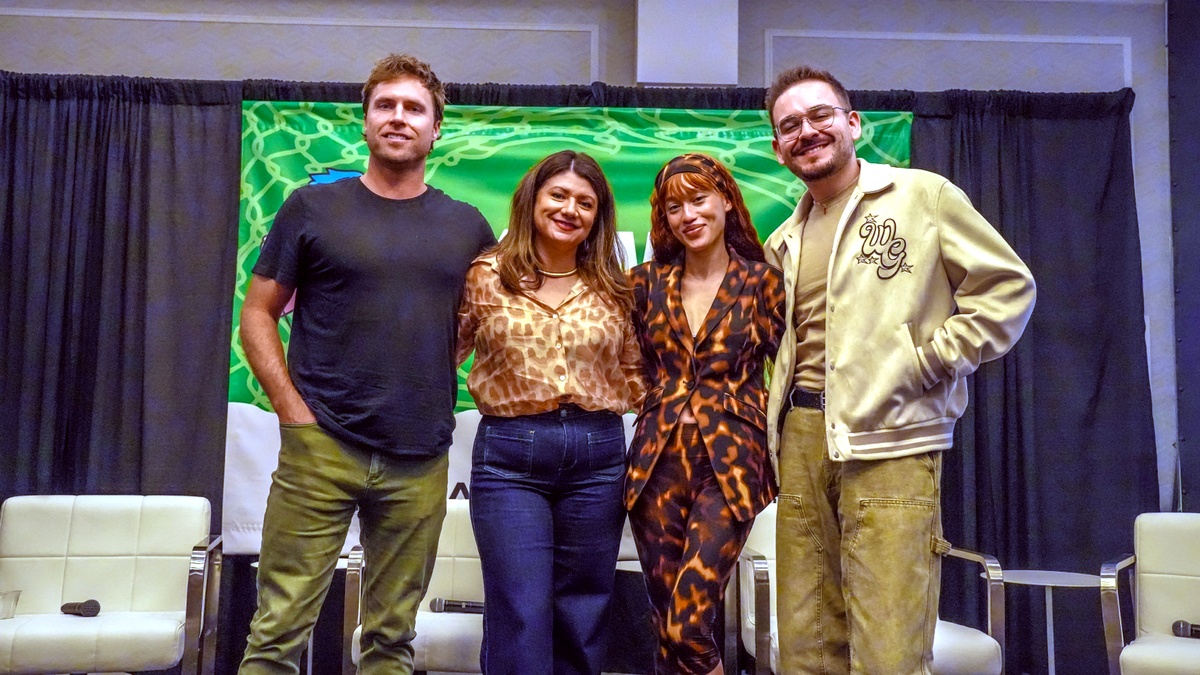
Panelists included Logan Mulvey (CEO of GoDigital Music), Vanessa Vigil (President of mitú), singer-songwriter NEZZA, and moderator Tomás Mier.
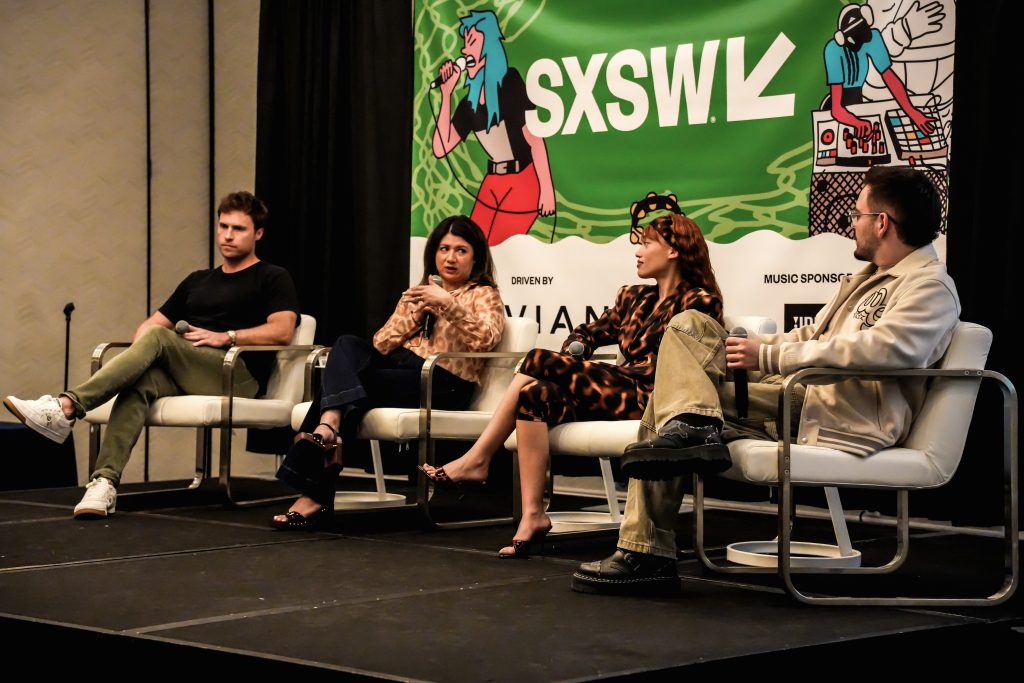
.The conversation was guided by moderator Tomás Mier, a respected music journalist and digital creator known for covering Latin music and culture. Throughout the panel, Mier helped connect each perspective—bridging the gap between artist experience, business strategy, and cultural impact.
Each speaker brought a different lens to the discussion. Logan Mulvey approached the conversation from a global music business perspective, focusing on how Latin music is scaling across markets. Vanessa Vigil spoke from a cultural and brand standpoint, highlighting how platforms like mitú are creating opportunities for Latino creators. Meanwhile, NEZZA provided the artist perspective, sharing firsthand experiences navigating identity, language, and representation in today’s industry.
Latin Music SXSW 2026: Built on Legacy, Not Trends
One of the biggest takeaways from Latin music SXSW 2026 was that Latin music is not a “wave”—it’s built on history.
Artists like Jennifer Lopez and Ricky Martin helped push Latin culture into mainstream pop decades ago, laying the foundation for today’s global expansion.
What we’re seeing now is not a rise—it’s an evolution.
Culture, Identity, and the Rise of Spanglish Music
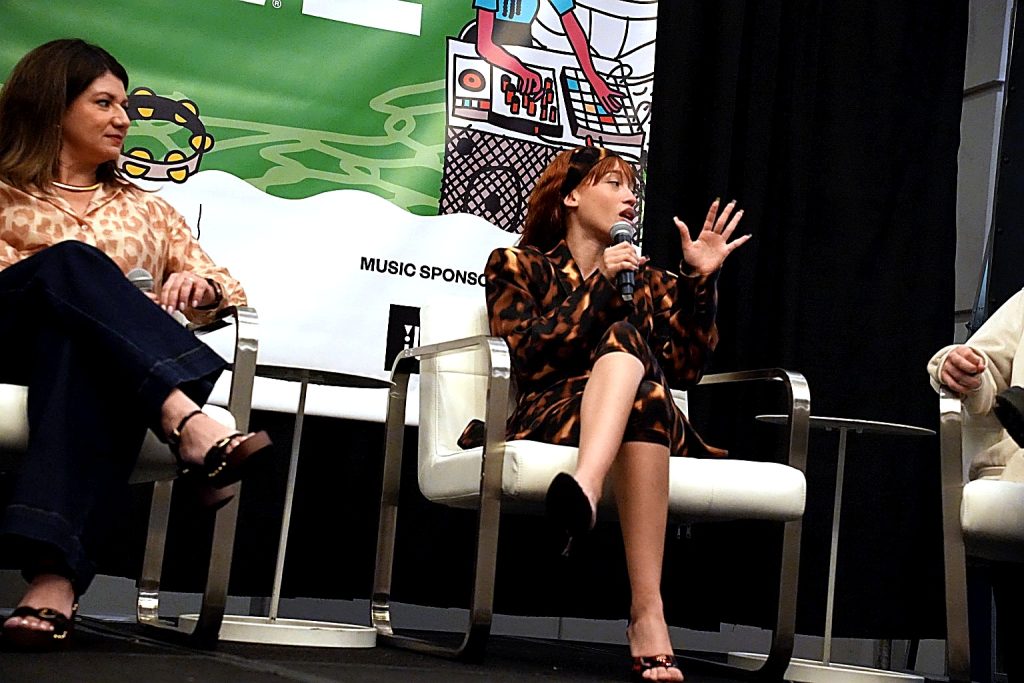
NEZZA, born Vanessa Hernández, represents the new generation of Latin artists blending cultures and sound. With roots in both English and Spanish music, she has built her identity around authenticity rather than limitation.
At SXSW, she explained how labels once pushed her to choose one language—but she refused.
Instead, she leaned into both.
She believes Spanglish music is about to experience a major wave, reflecting a generation that naturally moves between cultures.
Representation Matters—On and Off the Stage
A standout moment in the Latin music SXSW 2026 conversation came when NEZZA spoke about performing the U.S. national anthem in Spanish at a Los Angeles Dodgers game—despite being told no.
Her goal was clear:
to show that a large portion of the audience was Latino and deserved representation.
The performance sparked widespread attention online and became a defining cultural moment around identity and visibility.
She also noted that after the Black Lives Matter movement, more brands reached out to collaborate—often to show solidarity, though she emphasized the importance of authenticity.
Are Latin Artists Still Being Boxed In?
Logan Mulvey, CEO of GoDigital Music, spoke from the perspective of global distribution and music strategy, offering insight into how Latin music is expanding across international markets.
Logan Mulvey pushed the conversation further by questioning how Latin talent is still framed in the entertainment industry.
He pointed out that artists and actors are often labeled by their identity first, rather than their talent—raising the question of when that will change. Using actors like Pedro Pascal as an example, Mulvey challenged the idea of constantly attaching “Latin” as a qualifier instead of simply recognizing someone as a great actor.
His point wasn’t about removing culture—it was about removing limitations.
Mulvey emphasized that true progress looks like a shift in perception, where Latin creatives are no longer placed in a separate category, but exist fully in the mainstream without needing to be defined by it.
He raised a bigger question for the industry:
When will a Latin pop star just be considered a pop star?
At the same time, he acknowledged the importance of staying rooted in culture. He noted that Latin artists should continue to embrace authenticity in their music and storytelling—similar to how hip-hop and rap in the 1990s resonated deeply because they reflected real experiences and communities.
The balance, he suggested, is in being culturally grounded without being creatively confined.
In other words, the goal isn’t to lose identity—it’s to make sure identity doesn’t become a limitation.
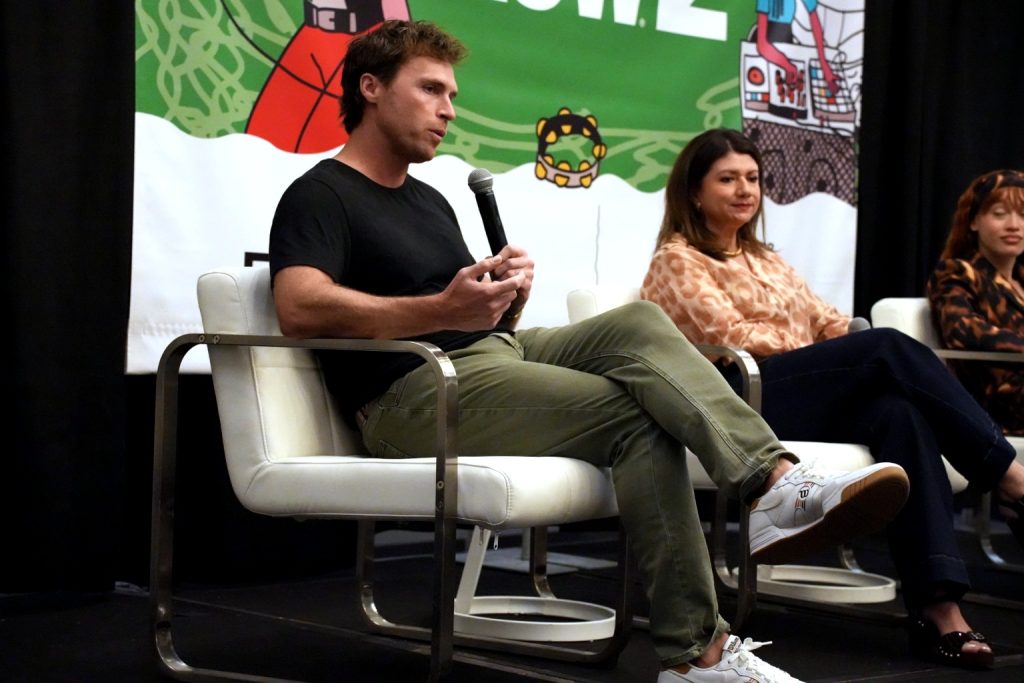
Logan Mulvey speaks on breaking industry labels and redefining how Latin talent is recognized.
The Business of Culture: Brands Are Paying Attention
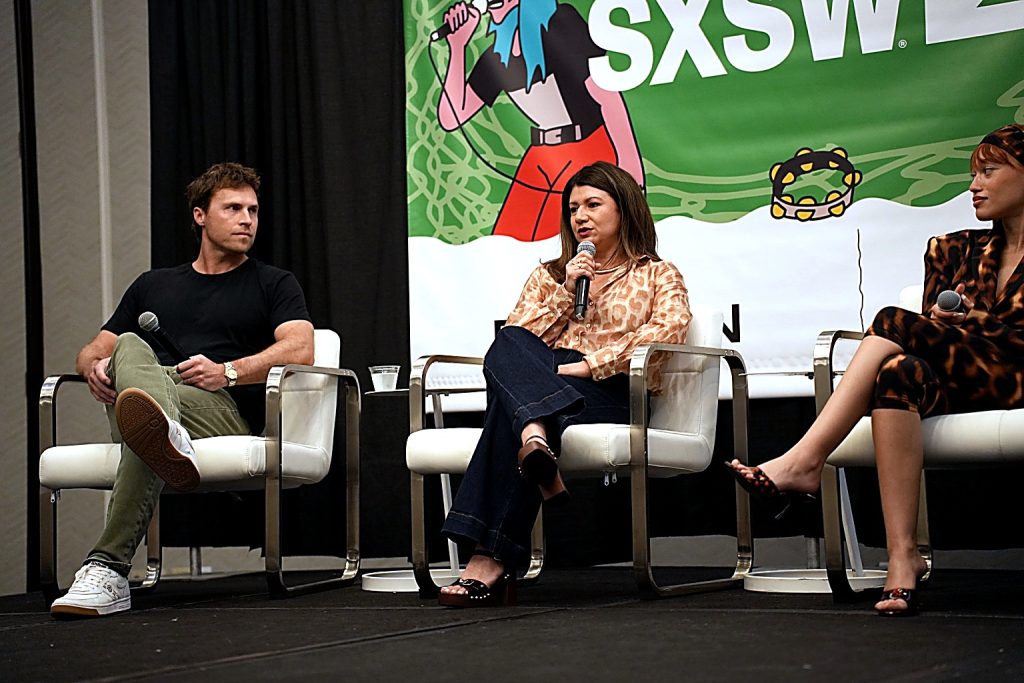
Vanessa Vigil, President of mitú, brought a brand and media perspective to the conversation, focusing on how Latin culture is influencing not just music—but marketing, storytelling, and opportunity at scale.
Vanessa Vigil emphasized that brands are no longer just tapping into Latin culture—they’re actively investing in it. But she made it clear that real impact comes from building opportunities, not just visibility.
She pointed to mitú’s partnership with Walmart through its Filmmaker Mentorship Program, an initiative designed to support emerging Latino filmmakers and help them break into the industry.
The program acts as an incubator for new talent, selecting creators and guiding them through the entire filmmaking process—from concept and writing to production and final release. Participants receive funding (up to $50,000), mentorship from industry professionals, and access to production resources, including equipment, studio space, and creative support.
Filmmakers are also given a creator kit with cameras, lighting, and sound gear, along with hands-on training and access to mitú Studios, where they collaborate with mentors and other creators.
Beyond production, the program focuses on career development, helping participants showcase their films at festivals, build industry connections, and gain long-term opportunities in the entertainment industry.
At its core, the partnership is about amplifying Latino voices and creating a pipeline into the industry—not just creating content, but building careers.
Vigil’s message was clear: when brands invest in culture the right way, they don’t just market—they create real access..
What’s Next: Sound, Strategy, and Global Influence
Looking ahead, the panel explored what the future of Latin music could look like:
• Logan Mulvey predicts a rise in EDM and Spanish music crossovers, driven by global audiences and marketing investment.
• He emphasized that Latin artists staying true to their culture will resonate most—similar to how hip-hop grew in the 1990s.
• NEZZA highlighted that Southeast Asian artists may be the next global wave, especially those blending Bollywood and hip-hop influences.
She also teased that she has new music and acting projects on the way, continuing her evolution as a multi-hyphenate artist.
She also teased upcoming music and acting projects, signaling continued growth.
The Future of Latin Music SXSW 2026
Latin music is no longer asking for a seat at the table—it’s building its own.
From Spanglish records to global partnerships, artists are redefining culture on their own terms.
And as Latin music SXSW 2026 showed, the question is no longer whether Latin music will shape the future—
It’s how far it will go.