

WASHINGTON — Renewed tension between the United States and Donald Trump and the government of Venezuela has sparked confusion, heated debate, and a flood of viral claims online.
In recent weeks, social media users around the world have shared posts suggesting dramatic developments — including military action and leadership changes in Venezuela. While many of those claims remain unverified, they have drawn attention back to a long-running conflict between the U.S. and Venezuela that stretches back years.
Here is what actually happened, why it happened, and how people in Venezuela and the United States are reacting.
The Background: Years of Conflict Between Trump and Venezuela
Tensions between Trump and Venezuela did not begin recently. During his presidency, Trump took a hard stance against Venezuela’s government, accusing its leadership of corruption, human rights abuses, and ties to international drug trafficking.
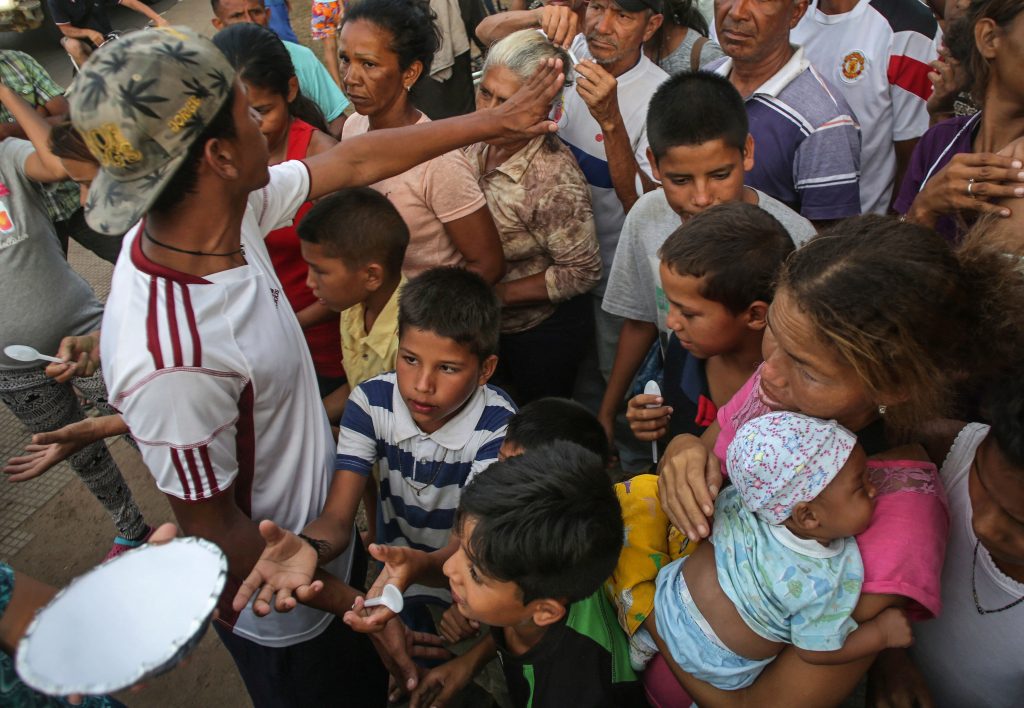
The U.S. government imposed strict economic sanctions, particularly targeting Venezuela’s oil industry — the country’s main source of income. American prosecutors also unsealed indictments against top Venezuelan officials, including President Nicolás Maduro, accusing them of drug-related crimes. Venezuela’s government has consistently denied those allegations.
These actions sharply reduced Venezuela’s access to global markets and intensified political hostility between the two countries.
What Changed Recently
In late 2025 and early 2026, Venezuela returned to global headlines for several reasons:
- Ongoing economic struggles and shortages
- International pressure over elections and democratic reforms
- Discussions in Washington about sanctions policy
- Public statements by Trump criticizing current U.S. handling of Venezuela
At the same time, viral social media posts — some misleading or exaggerated — began circulating, claiming that the United States had taken extreme actions against Venezuela’s leadership.
While no confirmed military takeover or arrest of Venezuela’s sitting president has been verified by independent or official sources, the rapid spread of these claims created widespread confusion.
Why Misinformation Spread So Fast
Experts say Venezuela is especially vulnerable to misinformation because it sits at the intersection of:
- U.S. politics
- Latin American history
- Oil and energy markets
- Migration concerns
Short videos, screenshots, and AI-generated posts often removed context, making old information appear new or presenting speculation as fact. Once shared widely, these posts fueled emotional reactions — especially among people already frustrated by years of instability.
How Venezuelans Are Reacting Online
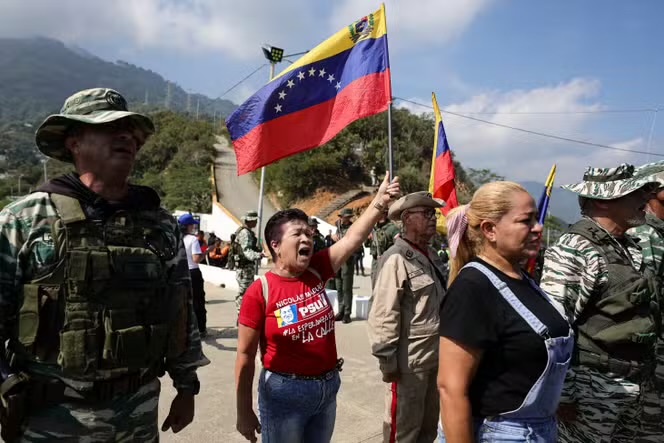
On Venezuelan social media platforms, reactions have been mixed and emotional.
Some users expressed hope, saying any international pressure could eventually lead to political change or economic relief. Others voiced anger and fear, accusing the U.S. of interference and warning that foreign involvement could worsen living conditions.
Error: No feed found.
Please go to the Instagram Feed settings page to create a feed.
Many Venezuelans also shared a sense of exhaustion, saying online rumors only added stress to lives already affected by inflation, migration, and uncertainty. Several posts urged people to wait for verified news and avoid panic.
A common theme among Venezuelan users was skepticism — not only toward the U.S., but toward all political leaders involved.
How Americans Are Understanding the Situation
In the United States, reactions have largely followed political lines.
Some Americans supportive of Trump praised his tough rhetoric, saying Venezuela’s government should be held accountable for corruption and drug trafficking. Others criticized Trump’s language, arguing that aggressive posturing risks international instability and spreads confusion when claims are not clearly verified.
Many Americans expressed uncertainty, saying they were unsure which reports were real and which were exaggerated. Media literacy experts noted that the flood of conflicting information made it difficult for the public to understand what was actually happening.
What Is Verified — and What Is Not
As of this update:
- Verified:
- U.S. sanctions against Venezuela remain in place.
- U.S. criminal cases involving Venezuelan officials are still active.
- Diplomatic tensions between the U.S. and Venezuela continue.
- Not verified:
- Claims of a U.S. military takeover of Venezuela
- Claims that Venezuela’s sitting president has been arrested by U.S. forces
Officials and international organizations have not confirmed those claims.
Why This Situation Matters
Global Energy
Venezuela holds one of the largest oil reserves in the world. Any shift in U.S.–Venezuela relations can affect global energy markets.
Migration
Economic hardship has pushed millions of Venezuelans to leave the country, impacting neighboring nations and the U.S.
International Law
Unverified claims of military action raise serious concerns about sovereignty and global norms, making accurate reporting essential.
Trust in Information
The situation highlights how quickly misinformation can spread — and how easily public understanding can be shaped by viral content rather than facts.
The Bottom Line
The renewed focus on Trump and Venezuela reflects years of unresolved conflict, not a sudden or confirmed military event.
While emotions are high on both sides, the most recent developments remain rooted in diplomacy, sanctions, and political rhetoric — not verified armed intervention.
As Venezuelans and Americans continue debating online, experts urge caution, patience, and reliance on confirmed sources as the situation evolves.
For now, this represents the clearest and most accurate explanation of what has happened, why it happened, and how people are reacting.