


WASHINGTON (AP) — A new release of Justice Department records tied to Jeffrey Epstein is reigniting questions about who knew what, when, and why so much remains hidden years after the financier’s death in federal custody. The files, made public under a recently enacted transparency law, include flight records showing former President Donald Trump traveled aboard Epstein’s private jet in the 1990s, references to “10” possible co-conspirators investigators attempted to contact after Epstein’s 2019 arrest, and confirmation that a document widely circulated online is fake.
The disclosures arrive amid renewed public pressure for accountability in one of the most infamous sex-trafficking cases in modern U.S. history. While officials say the records offer a clearer picture of the investigation, critics argue the heavy redactions leave critical questions unanswered and risk undermining trust in the justice system.

Creator: U.S. Justice Department | Credit: via REUTERS
1990s: Social ties and flight records
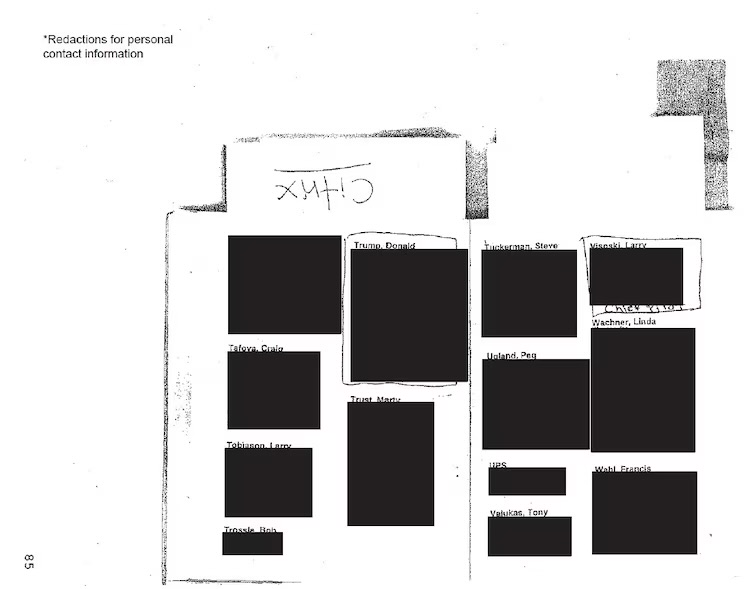
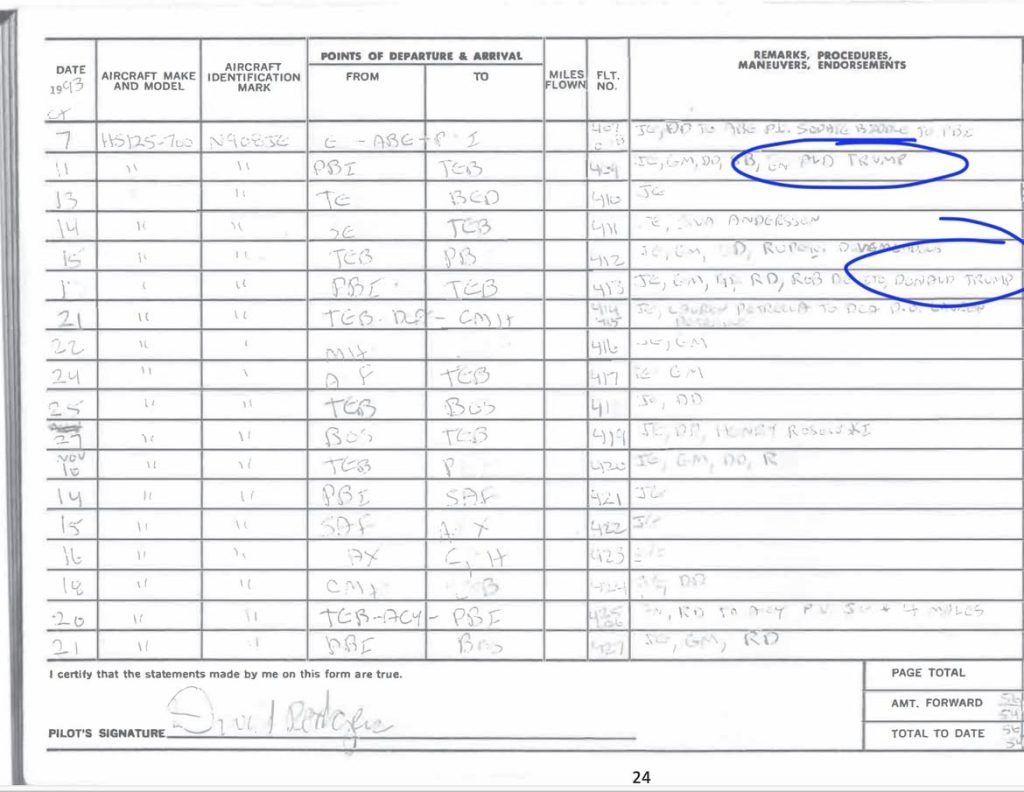
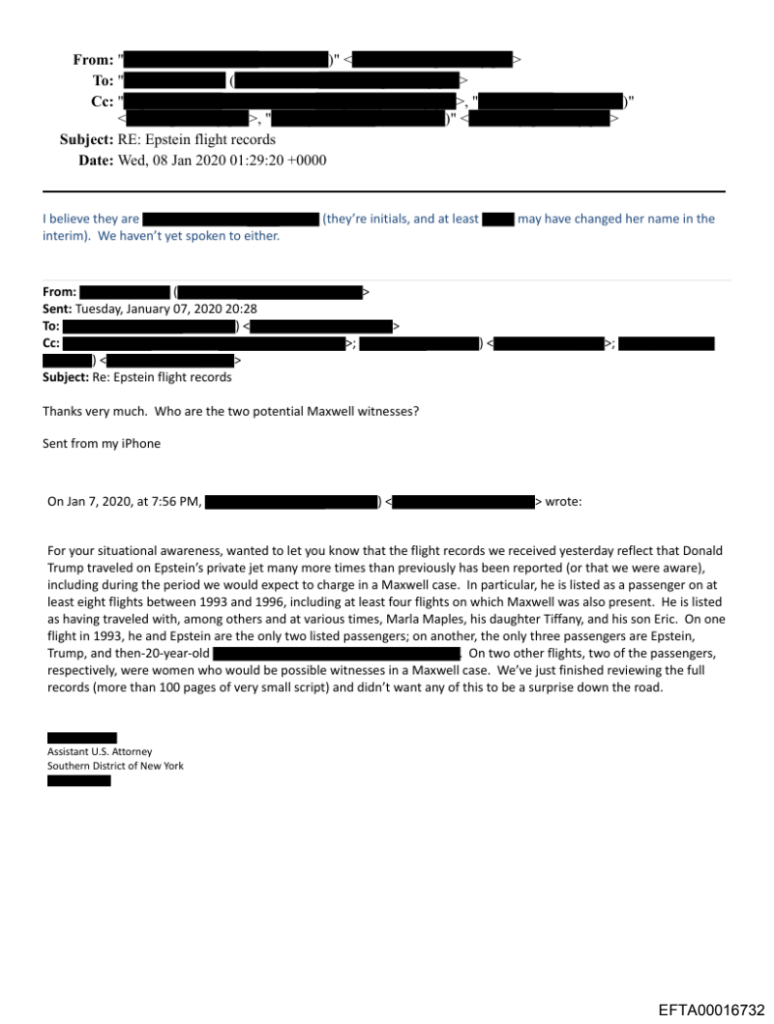
Among the newly released materials are flight logs indicating Trump flew on Epstein’s private jet multiple times between 1993 and 1996. Some flights also list Ghislaine Maxwell, Epstein’s longtime associate who was later convicted of helping him sexually abuse underage girls.
The documents do not accuse Trump of wrongdoing, and the Justice Department said it found no evidence in the files linking him to criminal conduct. Trump has previously acknowledged knowing Epstein socially but has said their relationship ended years before Epstein’s legal troubles became public.
2005–2008: Earlier investigations resurface
Epstein’s legal issues began long before his New York federal case. Investigations in Florida in the mid-2000s later became central to criticism of how prosecutors handled the case. Under the new law, judges have authorized the release of additional grand jury materials tied to those earlier proceedings, citing Congress’ directive to increase transparency.
Those records have renewed debate over whether opportunities were missed to hold more people accountable during Epstein’s lifetime.
July 2019: Arrest and talk of co-conspirators
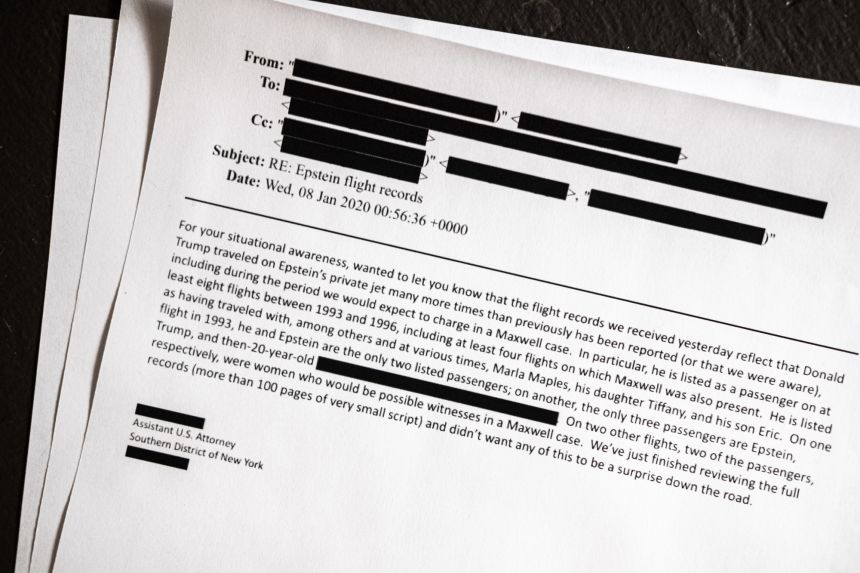
Epstein was arrested in July 2019 on federal sex-trafficking charges. One of the most closely scrutinized documents in the latest release is an internal email from around that time referencing agents attempting to contact “10” possible co-conspirators.
Only a small number of names are visible in connection with the message; most remain redacted. The reference has intensified speculation about who else investigators believed may have been involved and whether those leads were fully pursued.
Maxwell, the most prominent associate publicly identified, was later convicted and sentenced to 20 years in prison. The status of any others referenced in the message remains unclear.

August 2019: Epstein’s death
Epstein died in a federal jail in New York in August 2019 while awaiting trial, a death ruled a suicide but one that sparked global skepticism and conspiracy theories. His death effectively ended the criminal case against him, leaving victims without a trial and fueling demands for greater disclosure about his network.
A disputed document labeled fake
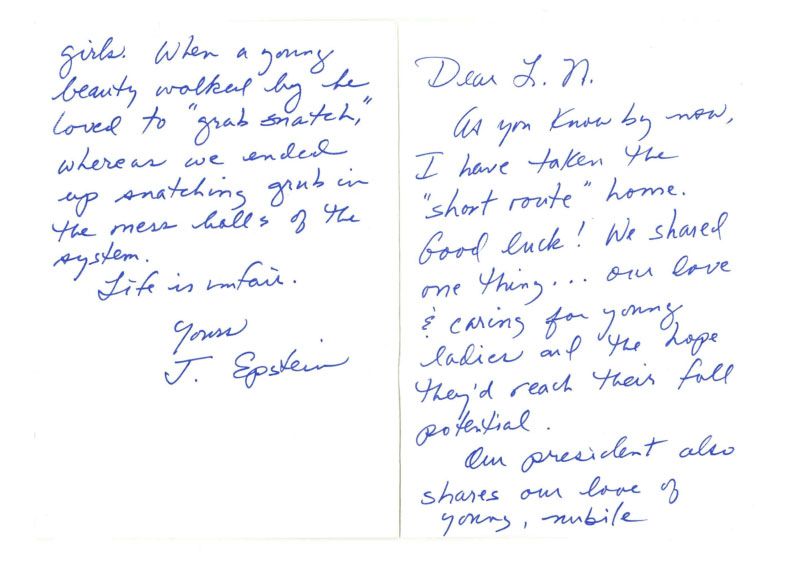
The new release also addresses a document that circulated widely online and was cited in some media reports: a purported letter from Epstein to former USA Gymnastics doctor Larry Nassar containing inflammatory references to Trump.

The Justice Department now says the document is fake, noting inconsistencies including a postmark dated after Epstein’s death and features that did not match authenticated Epstein correspondence. Officials warned that investigative files can contain unverified submissions and that inclusion in government records does not mean a document is authentic.
Political sensitivity inside the investigation
Internal communications included in the release show prosecutors were aware that certain information — particularly Trump’s presence in flight records — could carry political consequences. Emails indicate concern about avoiding “surprises” later, reflecting an awareness that disclosures could collide with election-year politics and public trust.
2025: Transparency law forces disclosure
The records were released under the Epstein Files Transparency Act, passed by Congress and signed into law last year. The statute created a narrow exception to longstanding secrecy rules, allowing judges to order the release of grand jury and investigative materials while still requiring protections for victims.
The Justice Department says redactions are necessary to comply with privacy laws and to protect survivors, many of whom were minors at the time of the alleged abuse. Lawmakers from both parties, however, have criticized the scope of the redactions, arguing they limit the law’s effectiveness.
Why it matters now
The renewed scrutiny comes as voters and lawmakers grapple with how much of Epstein’s world remains hidden and whether transparency can coexist with protecting victims. The case has become a test of public trust in the justice system, particularly in politically sensitive investigations involving powerful figures. Each new disclosure, redaction, and correction risks deepening skepticism — not only about Epstein’s network, but about how institutions handle accountability when the stakes are highest.
What remains unanswered
While the latest release confirms some long-reported details and debunks others, major gaps remain. The identities of most potential co-conspirators are still unknown, and the extent of investigative follow-up is unclear. Officials say additional records are still being reviewed and could be released later.
For now, the files offer fragments rather than closure — a reminder that even years after Epstein’s death, the full scope of his influence, and who may have enabled it, remains unresolved.