


WASHINGTON — Jan. 7, 2026
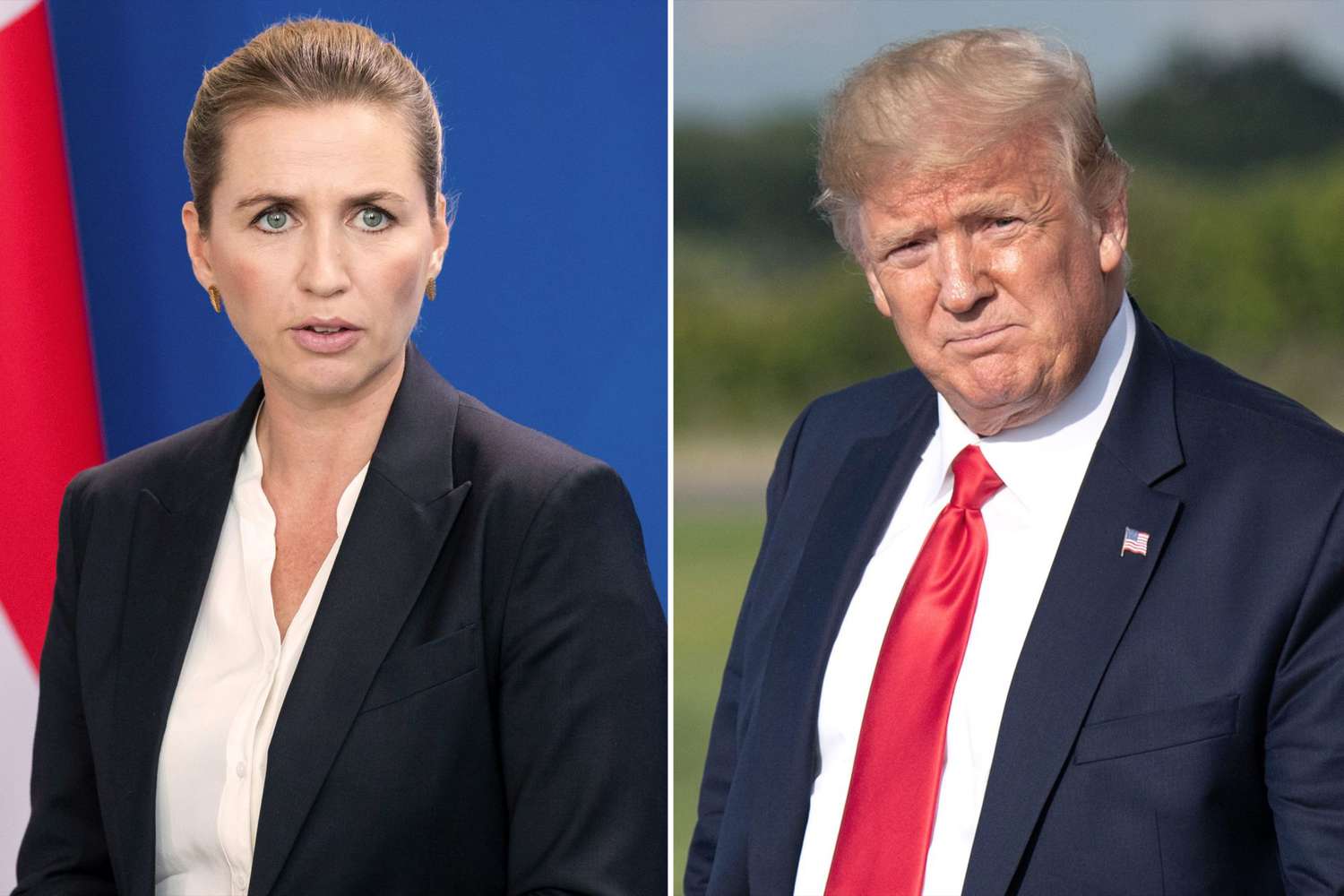
President Donald Trump’s renewed push to bring Greenland under U.S. control is creating fresh tension inside his own party, as some Republicans warn the talk could damage relations with Denmark and strain NATO, the military alliance that includes the United States and most of Europe.
The White House said this week that acquiring Greenland is a national security priority and that using the U.S. military is “always an option,” even as Denmark, Greenland and several allied leaders rejected the idea and stressed that Greenland’s future is not for Washington to decide.
What happened
Trump first publicly floated the idea of the United States purchasing Greenland during his first term in 2019. In recent days, he returned to the subject and argued the U.S. “needs Greenland” for national security.
Over the weekend, the rhetoric escalated after a social media post from Katie Miller — the wife of White House Deputy Chief of Staff Stephen Miller — showed a U.S.-flag-themed image of Greenland with the caption “SOON,” according to reporting cited by the Associated Press.
On Monday, Stephen Miller said Greenland should be part of the United States and dismissed concerns about Danish sovereignty in remarks reported by multiple outlets.
On Tuesday, White House press secretary Karoline Leavitt said in a statement that the administration is discussing “a range of options” to pursue control of Greenland and that using the U.S. military is “always an option.”
The same day, leaders from several European countries issued a joint statement backing Denmark and Greenland and repeating that “Greenland belongs to its people.”
Why Greenland matters
Greenland is the world’s largest island and sits between North America and Europe, in a region where military planners focus on missile defense and aircraft routes.
The U.S. already has a major military foothold there: Pituffik Space Base (formerly Thule Air Base) in northwest Greenland. The U.S. Space Force says the base supports missile warning, missile defense and space surveillance missions.
U.S. access is rooted in long-standing agreements with Denmark. A 1951 U.S.–Denmark defense agreement, linked to NATO, set rules for defense activities in Greenland and remains a key legal foundation for American operations there.
Greenland also has economic value. It holds deposits of minerals used in modern technology, including rare earths — materials needed for electronics and batteries — and its location has become more important as Arctic sea routes and resource competition draw attention from major powers.
At the same time, Greenland is not “for sale” under Danish law and Greenland’s own political system. Greenland runs many domestic matters through local self-government, while Denmark controls foreign policy and defense.
What Republicans are saying
Some Republicans publicly signaled discomfort with the White House’s tone, especially any suggestion of military force against a NATO ally.
House Speaker Mike Johnson, a Republican, said he does not think military action in Greenland is appropriate.
Rep. Blake Moore of Utah and Rep. Steny H. Hoyer of Maryland, co-chairs of the bipartisan Congressional Friends of Denmark Caucus, warned that “sabre-rattling about annexing Greenland is needlessly dangerous.” They added that an attack on Greenland “would tragically be an attack on NATO.”
Moore and Hoyer also argued that the U.S. already has what it needs for defense purposes, saying Denmark has consistently accommodated U.S. requests to increase forces or add infrastructure in Greenland.
Rep. Don Bacon of Nebraska, another Republican, criticized the Greenland talk in a public post, writing that Denmark and Greenland are U.S. allies and that demeaning them creates “wounds” that take time to heal.
Not all Republicans have spoken out, and the White House has not announced any specific plan, timeline or formal negotiation process. What is confirmed is the administration’s public position that military force remains an option.
What Denmark/Greenland/Allies are saying
Denmark and Greenland’s leaders have rejected Trump’s renewed push and urged respectful dialogue.
Danish Prime Minister Mette Frederiksen said Trump’s comments should be taken seriously and warned that a U.S. attack on a NATO country would effectively end NATO’s security structure as it has existed since World War II.
Greenland’s prime minister, Jens-Frederik Nielsen, called for respectful dialogue and has stressed that Greenland is not an object to be claimed by other countries.
European leaders — including France, Britain, Germany, Italy, Poland and Spain — joined Denmark in a joint statement saying Greenland belongs to its people and that only Denmark and Greenland can decide its future. Canada and other partners also voiced support for Denmark’s position.
Denmark has also pointed to increased Arctic defense investments. Danish officials in 2025 described new spending and capabilities aimed at strengthening Denmark’s presence in the Arctic and North Atlantic.
What happens next
Diplomatically, watch for any direct talks between Washington and Danish and Greenlandic leaders. Reuters reported Greenland’s government sought an urgent meeting with U.S. Secretary of State Marco Rubio, alongside Denmark’s foreign minister, as the dispute grew.
Politically, watch Congress. Some lawmakers are already framing the Greenland issue as a risk to NATO unity, which could lead to hearings, statements, or legislative efforts aimed at limiting military action or demanding clearer strategy.
Substantively, experts note the U.S. already operates in Greenland under existing agreements, meaning the near-term focus could shift to expanded basing, new radar or missile-defense projects, and more Arctic cooperation — steps that do not require changing Greenland’s sovereignty.
Not all Republicans have spoken out, and the White House has not announced any specific plan, timeline or formal negotiation process. What is confirmed is the administration’s public position that military force remains an option.