



ABUJA, Nigeria — The United States launched airstrikes against suspected Islamic State militants in northwestern Nigeria on Christmas Day, U.S. and Nigerian officials confirmed.
The strikes marked one of the most direct U.S. military actions inside Africa’s most populous country in years. They also highlighted growing international concern over Nigeria’s worsening security crisis.
Error: No feed found.
Please go to the Instagram Feed settings page to create a feed.
Error: No feed found.
Please go to the Instagram Feed settings page to create a feed.
U.S. Africa Command said the strikes hit Islamic State camps in Sokoto State. The operation killed “multiple” militants, according to the command. Officials did not release casualty figures or exact locations.
AFRICOM said Nigerian authorities coordinated with U.S. forces. Intelligence showed the camps were being used to plan attacks in the region.
President Donald Trump acknowledged the strikes in a social media post. He described the operation as a response to violence by Islamic State-linked fighters targeting civilian communities. Nigerian officials later confirmed U.S. involvement. They stressed that the action was part of ongoing counterterrorism cooperation.
Why the United States Intervened
Nigeria faces multiple security crises at the same time. The violence is not a single conflict.
In the northeast, jihadist insurgencies have raged for more than a decade. Groups such as Boko Haram and Islamic State-linked factions have killed tens of thousands of people. They have also displaced millions.
In recent years, violence spread westward and northward. Armed groups now operate across vast rural areas. They carry out kidnappings, village raids and attacks on travelers.
U.S. and Nigerian officials say Islamic State networks are exploiting these unstable regions. The groups use remote territory for training, logistics and cross-border movement.
Sokoto State borders Niger and sits near broader Sahel conflict zones. Intelligence agencies view the area as increasingly vulnerable to extremist expansion.
American officials argue airstrikes can disrupt attack planning. They say strikes work best when local governments request assistance and provide intelligence.
Nigeria’s Position on the Strikes
Nigeria’s government framed the operation as a joint security effort. Officials rejected claims of foreign military intervention.
In a statement, the government said Nigeria remains in control of its counterterrorism operations. It added that international partnerships help address threats that cross national borders.
Officials also pushed back against claims that the violence is purely religious. While some attacks have targeted Christian communities, civilians of all faiths have been killed.
President Bola Tinubu has repeatedly called for unity. He said his administration is committed to protecting all Nigerians, regardless of religion or ethnicity.
What the U.S. Military Has Not Said
U.S. Africa Command released limited operational details.
The government said criminal networks, insurgent groups and local conflicts often overlap.
Officials did not say whether drones or manned aircraft carried out the strikes. They also did not identify which Islamic State affiliate was targeted.
The military said releasing more information could compromise future operations.
Independent casualty verification remains difficult. Militant camps are often located in remote areas. Journalists and aid groups have limited access.
Human rights organizations have warned that airstrikes carry risks. No civilian casualties were reported in the initial U.S. assessment.
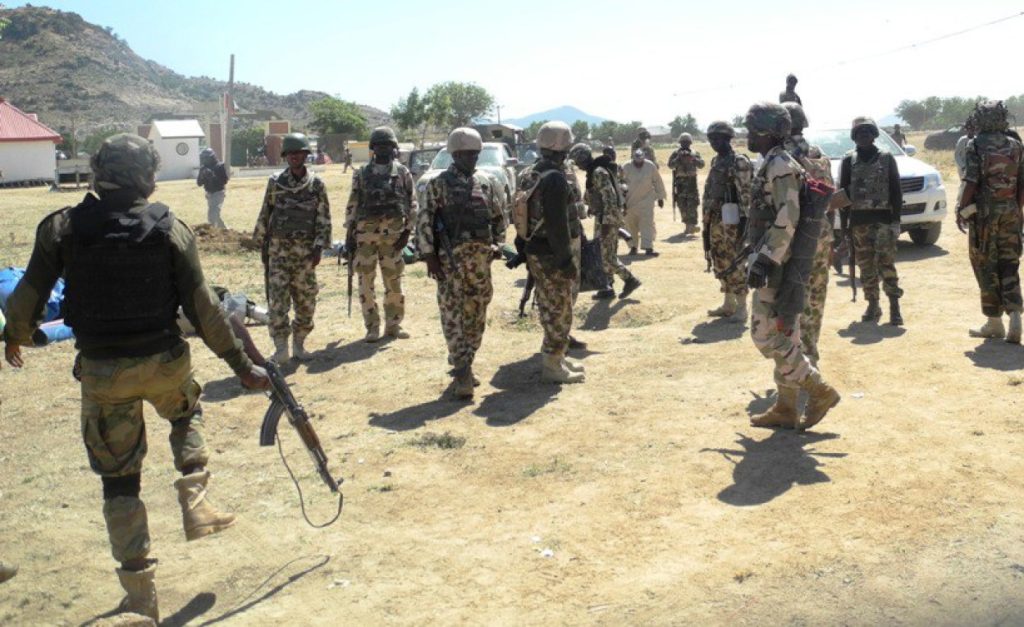
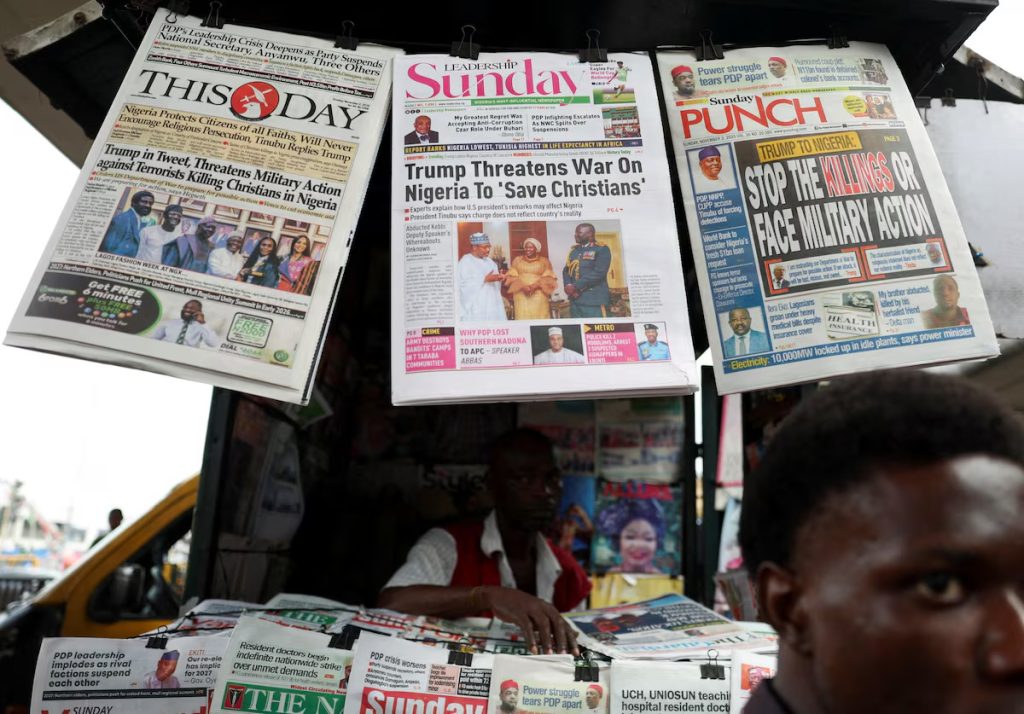
The strikes come amid sharper rhetoric from U.S. leadership on religious violence in Nigeria. Trump has warned that attacks on Christian communities require international attention.
Nigerian officials urged foreign partners to avoid oversimplifying the conflict. They warned that religious framing could inflame tensions and distort local realities.
Security analysts say airstrikes can weaken militant networks. They caution, however, that strikes alone will not solve Nigeria’s crisis.
The country faces long-standing challenges. These include under-policed rural areas, poverty, corruption and weak local governance. Extremist and criminal groups exploit these conditions to recruit fighters.
What Happens Next
U.S. defense officials suggested more operations could follow. That would depend on future threats and Nigerian requests for assistance.
Nigeria now faces pressure to deliver results. Officials must show that foreign support improves daily security. That includes safer roads, fewer kidnappings and better civilian protection.
The urgency remains clear. On the same day the strikes were announced, a separate attack in northeastern Nigeria killed several civilians.
The incident underscored the scale of Nigeria’s security challenges.
For now, the airstrikes signal closer cooperation between Washington and Abuja. They also send a warning to extremist groups seeking new footholds in West Africa.
Long-term stability, however, will depend on more than military force. Nigeria must restore security, governance and public trust in its most vulnerable regions.