

President Donald Trump’s Memorial Day Arlington speech focused on fallen U.S. service members during a traditional wreath-laying and ceremony at Arlington National Cemetery.
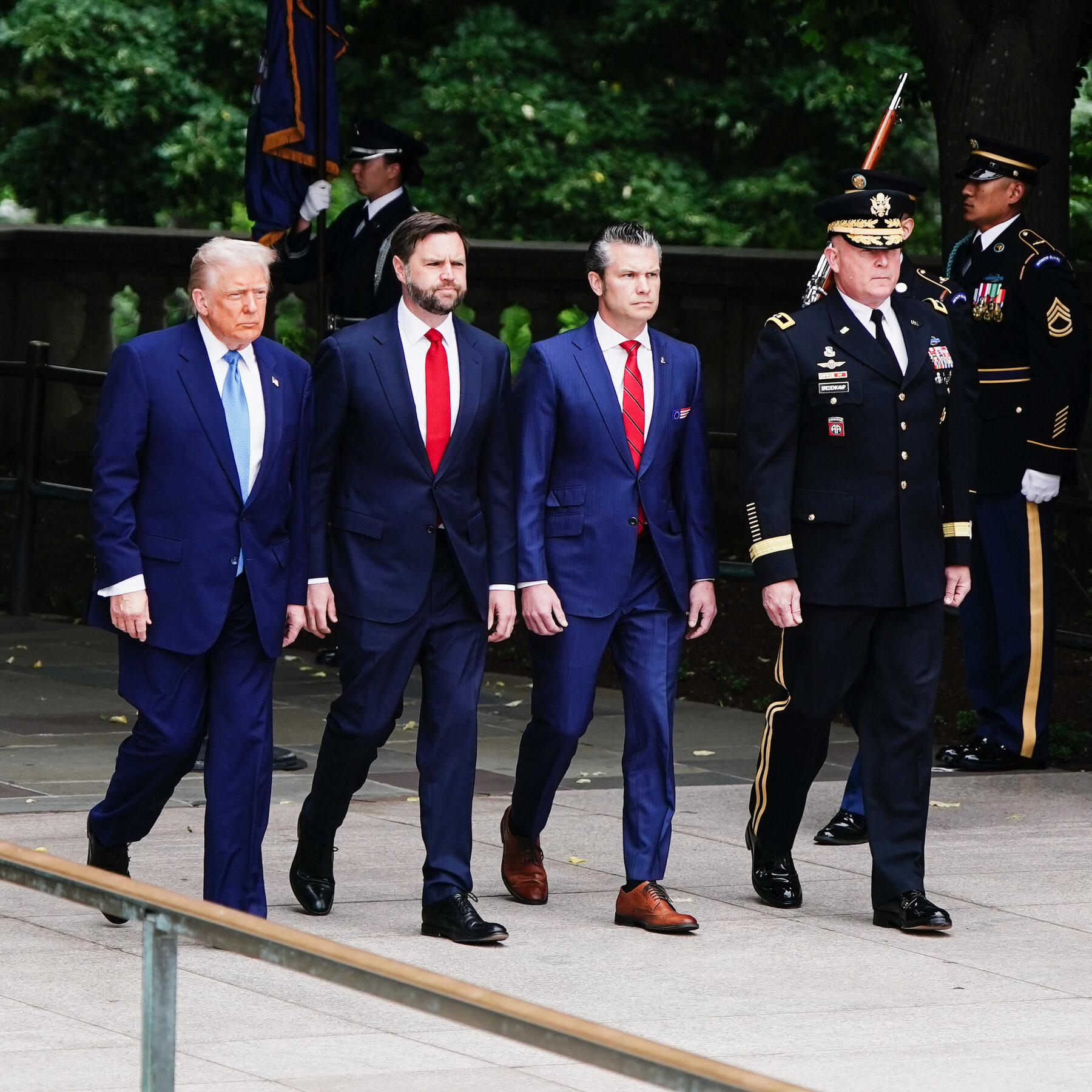
Trump joined military leaders and families at the Tomb of the Unknown Soldier for a moment of silence. He placed a wreath, stepped back and saluted as “Taps” played over the cemetery’s hills. Vice President JD Vance and Defense Secretary Pete Hegseth stood beside him during the ceremony.
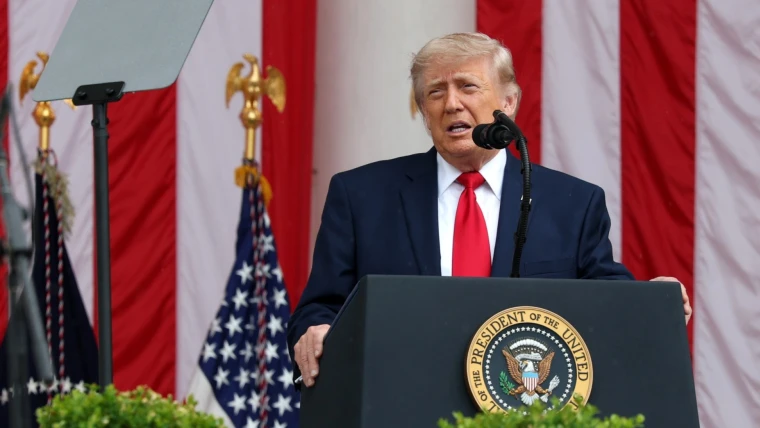
After the wreath‑laying, the president moved to the Memorial Amphitheater to deliver prepared remarks.
Key themes in Trump’s Memorial Day Arlington speech
In his speech, Trump said Memorial Day is a “sacred day” to honor “those who fell so that our republic might stand.” He called fallen troops “extraordinary warriors” and “heroes” who chose a higher duty to protect the United States.
He spoke directly to Gold Star families in the audience. Trump mentioned “the empty seat at Sunday dinner” and the pain that remains after a loved one dies in uniform. He said the country “must strive to be worthy of their sacrifice” and urged Americans to remember the people behind the names on the graves.
Trump also described the dead as men and women who “gave up their sacred life on earth so that the light of American freedom would shine.” The language echoed religious and patriotic themes he has used in earlier Memorial Day speeches.
Placing the speech in context
Trump used part of his remarks to walk through U.S. military history. He referenced early battles, world wars and recent conflicts overseas. By linking past wars to today’s forces, he said the United States is “still part of the same story of courage and duty.”
He also said the nation’s “work is not finished.” Americans, he argued, share a responsibility to carry forward the values that fallen troops defended. The speech stayed focused on service and sacrifice rather than policy details or current military operations.
Political context and contrast
The Arlington ceremony followed a familiar script but fits into a larger pattern around Trump’s Memorial Day messaging. In 2025, his formal remarks at Arlington centered on the fallen, while his social media posts that day attacked critics and judges, drawing backlash for the tone.
This year, he again used the official event to speak in traditional terms about duty, loss and national unity. Separate coverage has noted that his online posts around Memorial Day often sound sharper and more partisan than the words he uses at the cemetery.
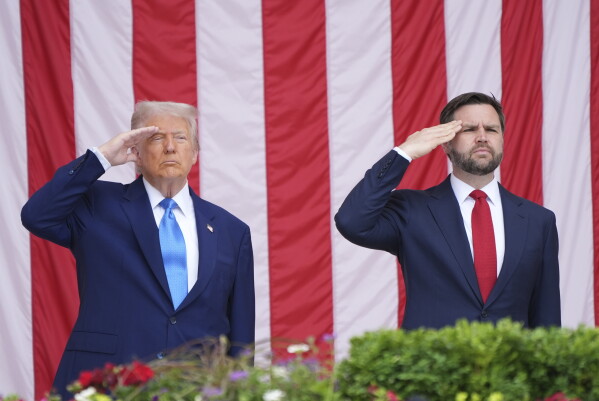
Supporters point to the Arlington appearance as proof that Trump respects the military and its families. They highlight images of him saluting at the Tomb of the Unknown Soldier, standing with top defense officials and describing fallen troops as “the best of America.”
Critics focus on the contrast between the solemn tone in the amphitheater and his more combative political language elsewhere. They argue that mix has become a defining feature of his Memorial Day presence over the last two years.
The 2026 observance continues a long‑standing tradition of presidents leading Memorial Day events at Arlington. Trump’s team is expected to share clips of the wreath‑laying and speech across his political and official channels in the days ahead.
For families visiting the cemetery, the day remains centered on personal loss rather than politics. The event closed with another moment of silence as the president and military leaders looked out over the rows of headstones. That final scene underscored the ceremony’s core purpose: remembering those who did not come home.