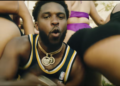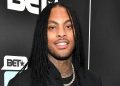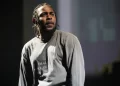


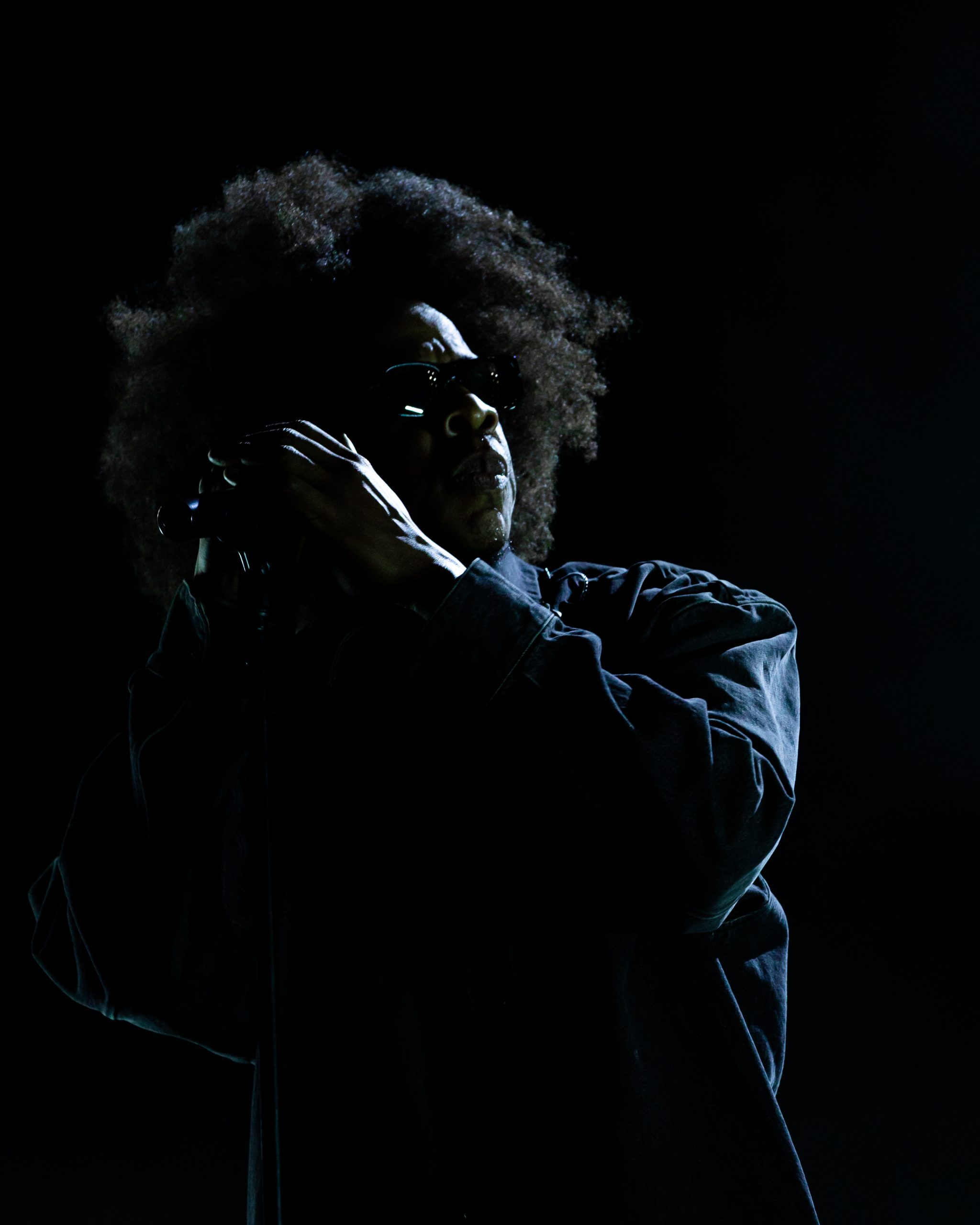
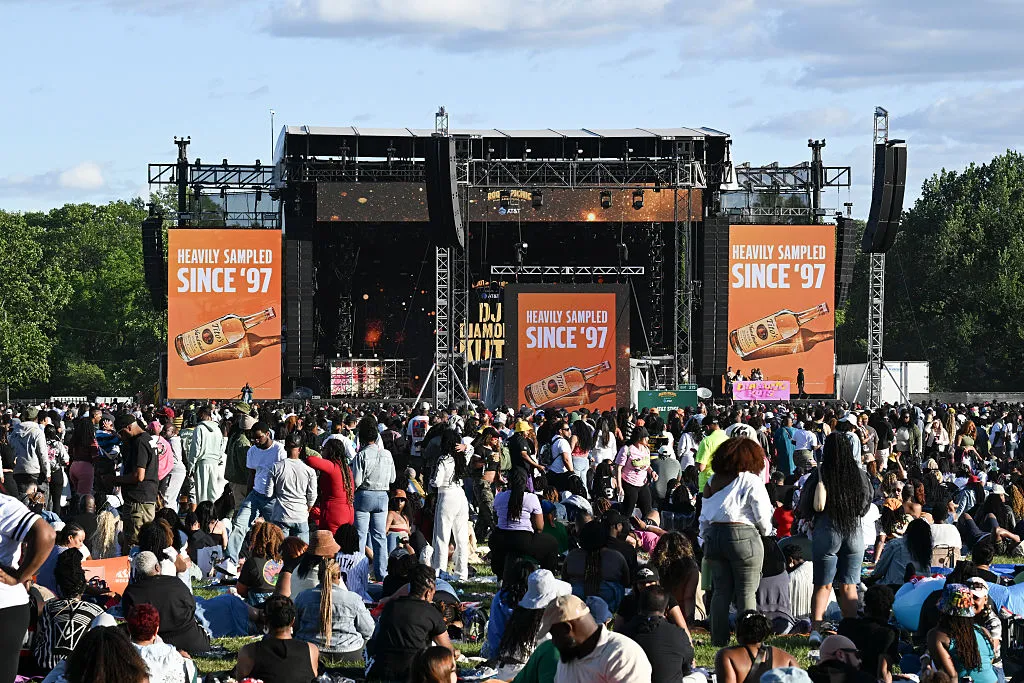
Jay‑Z Roots Picnic 2026 wasn’t just another festival booking.It marked his first major public performance in years. At 56, he turned the Philadelphia stage into a focused career showcase.He dropped a sharp new freestyle and dug into deep cuts.He brought out surprise guests to share the moment.With a live band behind him, his catalog hit like scripture.
A rare return built up in advance
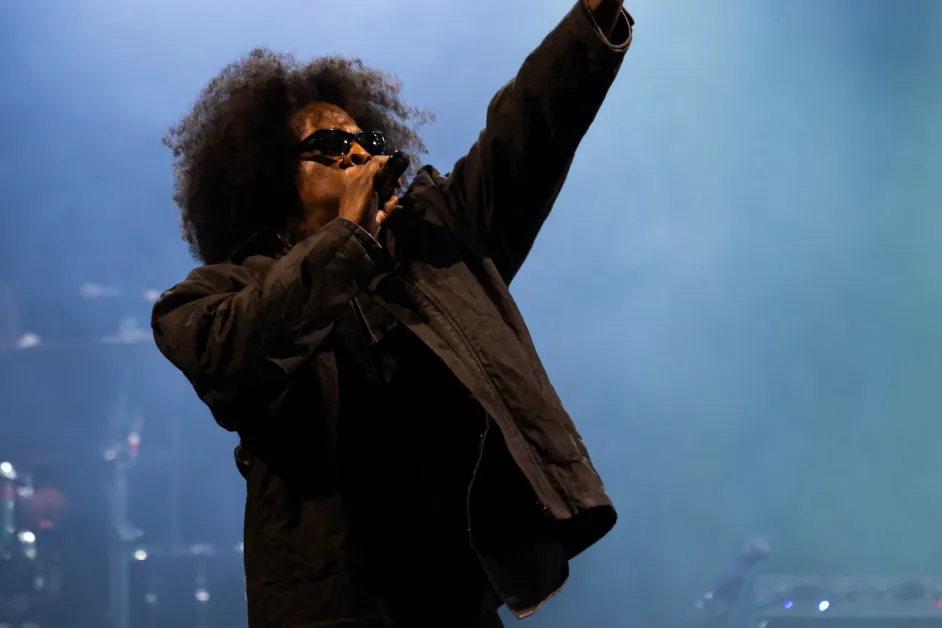
Roots Picnic 2026 at Belmont Plateau already carried weight but Jay‑Z on a festival flyer is rare. This was his first solo headlining performance in years. In the months before the show, he quietly set the stage. He switched his name on streaming back to JAŸ‑Z and began methodically updating his catalog, tightening how older singles, radio edits and deep cuts appear on digital platforms.
By the time he stepped onstage in Philadelphia, anticipation felt closer to a one‑night residency than a typical festival slot. The Roots Picnic crowd showed up knowing they were seeing something that doesn’t happen often: a Jay‑Z show not tied to an album rollout, arena tour or corporate tie‑in. He treated that freedom like a chance to play historian and antagonist at the same time.
Jay‑Z Roots Picnic 2026 set turns into a 30‑song career run
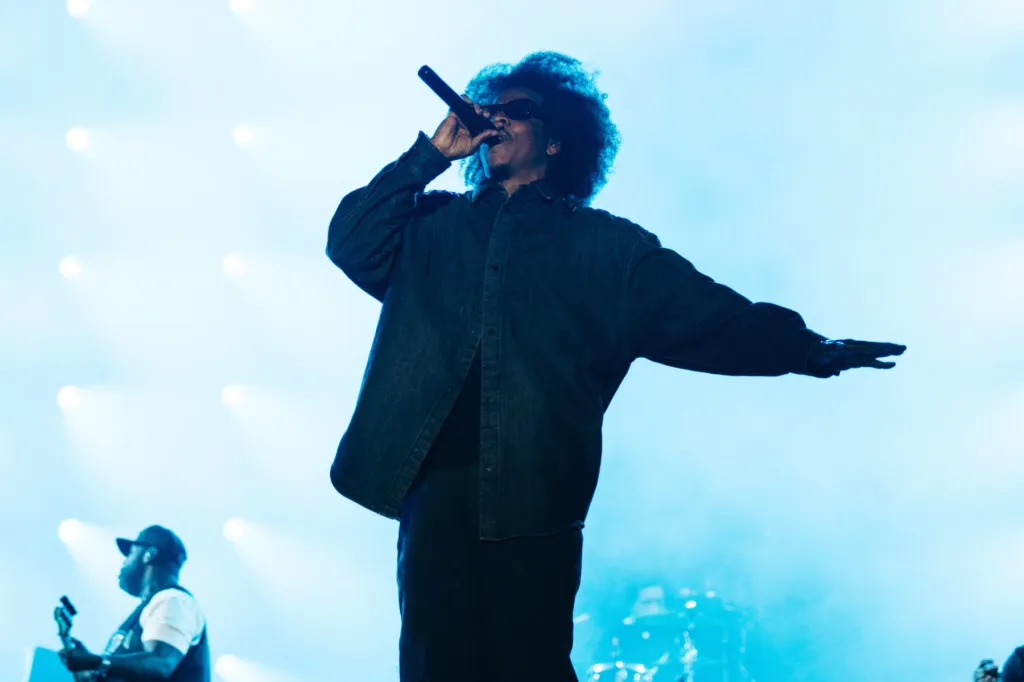
Jay‑Z didn’t treat the night like a quick hits‑only appearance. His set stretched past 30 songs and cut across eras instead of staying locked into one lane. He opened with older material and freestyles, then worked through records like “U Don’t Know,” “Where I’m From,” “Can I Live,” “Dead Presidents,” “Dirt Off Your Shoulder,” “Excuse Me Miss,” “La La La,” “Roc Boys,” “Public Service Announcement” and more.
The sequencing felt intentional. Rather than front‑loading the biggest radio singles and coasting, he grouped songs by mood and moment — hungry mid‑’90s storytelling, early‑2000s Roc‑A‑Fella dominance, widescreen Watch the Throne‑era anthems. With The Roots backing him, familiar instrumentals hit different: drums sat heavier, horns stretched out, and certain grooves were allowed to build in a way that rarely happens on tightly timed arena runs.
For casual listeners, the set played like a crash course in why his catalog sits where it does. For lifers, it felt like a reward — the kind of night where deep cuts live right next to chart‑toppers without a drop in energy.
The freestyle: score‑settling without saying names out loud
The moment that exploded online didn’t come from an old classic. Mid‑set, Jay‑Z stopped the band and launched into a new a cappella freestyle, a verse that immediately started ricocheting across social feeds once fan clips went up. The tone was calm but cutting. Instead of shouting, he picked his words carefully and aimed them at a few different directions.
Without printing the lyrics, the targets and themes were clear enough. He took aim at artists and moguls who have questioned his legacy or business moves in recent years. There were lines people connected to old Roc‑A‑Fella tensions, pointed shots at streaming‑era stars who built careers in his shadow, and bars that sounded like responses to more recent critiques from peers who’ve used his name for headlines. Fans quickly started connecting the dots to specific figures: former partners who have aired out old grievances, rivals who regularly position themselves in his lane, and a newer generation he seemed to suggest hasn’t earned the right to rewrite his history.
The verse wasn’t just about calling people out; it was also about re‑staking his claim. He wove in reminders about how long his catalog has been active, how much ground it covers and how many rooms it still commands. Within hours, there were threads breaking down who “got it the worst,” debates over whether certain lines were aimed at more than one person and speculation over who might feel pressure to answer on record. It was classic Jay‑Z timing: one verse, dropped in the middle of a festival set, that managed to reset a chunk of the rap conversation without the need for a rollout.
Guests and The Roots turn the stage into a live archive
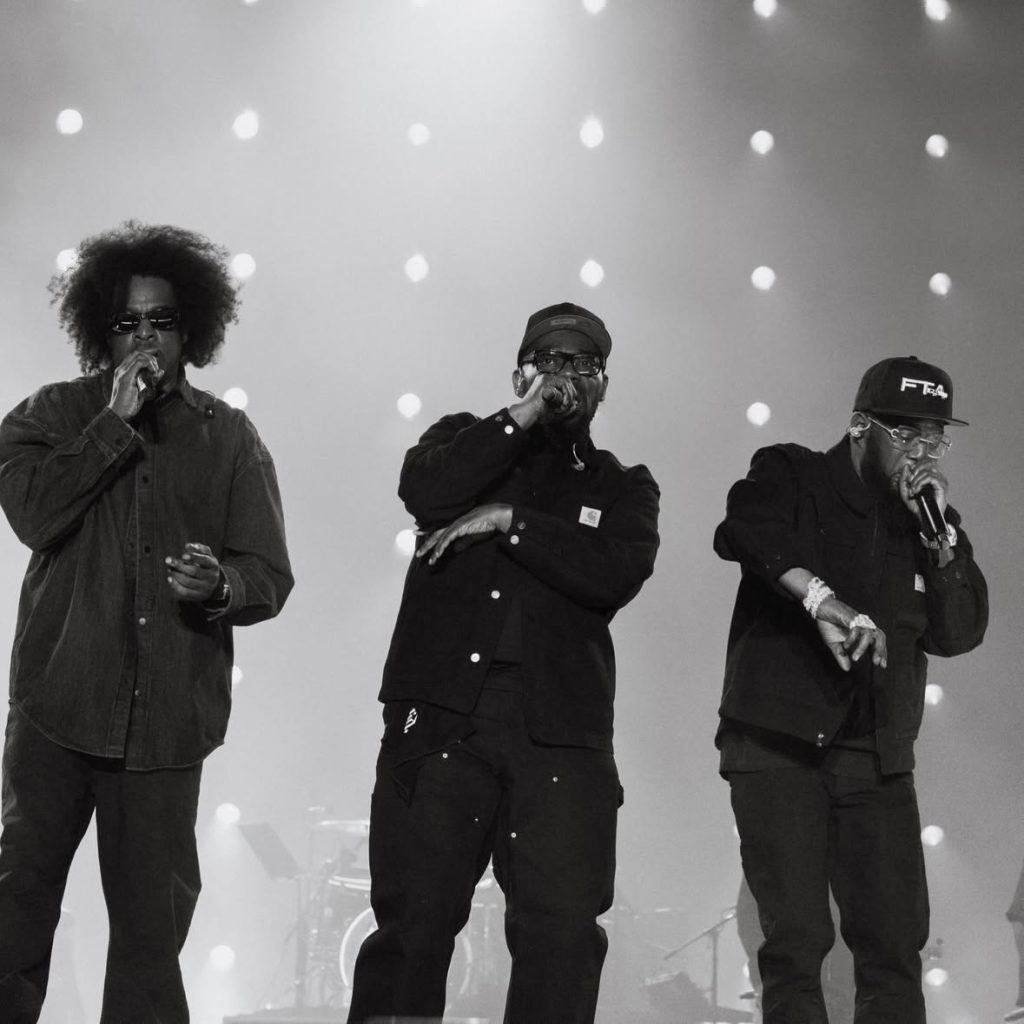
Roots Picnic has always thrived on collaboration, and Jay‑Z built his set to match that energy. He brought out a rotation of guests who tied directly into both his story and the festival’s Philadelphia roots.
Jazmine Sullivan joined him to blur the lines between his catalog and hers, sliding from his material into her own and turning a festival moment into a hometown celebration. Bilal came out for “No Church in the Wild,” stretching the song into a more open, psychedelic version than the studio cut. There were also appearances from key voices of the Roc‑A‑Fella era — the MCs who helped turn label compilations and posse cuts into core parts of his myth, not just footnotes.
Those guests didn’t feel like nostalgia plays for their own sake. They worked as proof that the collaborations and co‑signs that built his career are still active relationships, not just names in a documentary. In the middle of a set built around Jay‑Z’s story, their verses turned the stage into a live‑action archive of a whole era.
Threading all of this together was the simple fact that Jay‑Z still sounded locked in. Fans and critics who have seen him at different points in his career pointed out how sharp his breath control looked and how easily he slipped back into older flows, even on tracks that date back decades. At 56, he still delivered verses with a snap that made the songs feel alive instead of museum‑piece reverent.
The Roots operated less like a backing band and more like co‑directors. Their arrangements gave staples like “Roc Boys” and “U Don’t Know” extra punch without losing the feel of the originals. Transitions were smooth enough that long‑time fans could hear the connective DNA between eras that might seem separate on paper.
What Jay‑Z Roots Picnic 2026 hints at for his next chapter
By the end of the night, there was no album title flashed on the screens, no surprise drop uploaded mid‑set. Instead, the signals came through the choices: clean up the catalog, revert to the JAŸ‑Z name, accept a high‑stakes festival slot, build a set around depth instead of just nostalgia, invite key collaborators back into the frame and fire off a freestyle sharp enough to become the main recap headline.
For Roots Picnic, his performance delivered exactly what a marquee booking is supposed to: a night people will still be talking about when the next lineup rolls around. For Jay‑Z, it functioned less like a nostalgic victory lap and more like a reminder. When he decides to step back onstage, it still feels like something that stops the room, resets the discourse and makes the rest of the genre pay attention — even if he only chooses to do it once in a while.