

The karmelo anthony trial is now underway in North Texas. It comes more than a year after a deadly confrontation at a high school track meet in Frisco. The case focuses on the stabbing death of 17‑year‑old runner Austin Metcalf. It has stirred debate over race, self‑defense and the power of social media.
How the Frisco track meet turned deadly
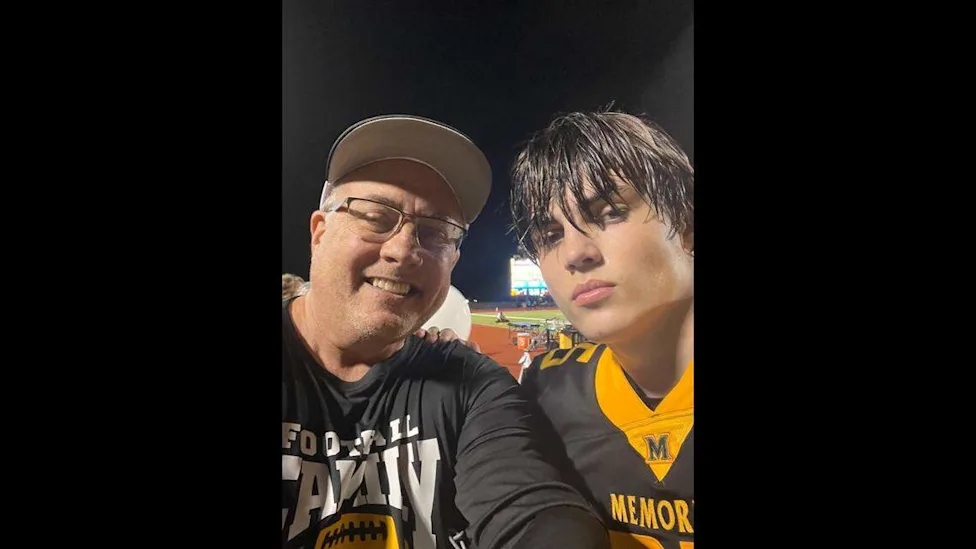
On April 2, 2025, a district track meet took place at David Kuykendall Stadium in Frisco. During a rain delay, Karmelo Anthony, then 17, sat under Memorial High School’s team tent. He went to Centennial High School, not Memorial, and that choice started the conflict. Witnesses say Austin Metcalf told Anthony to leave the tent.
According to police records, the argument escalated fast. Anthony allegedly warned Metcalf, “Touch me and see what happens.” Officers say he then reached into a bag, pulled out a knife and stabbed Metcalf once in the chest. The 17‑year‑old collapsed on the scene and later died from the wound.
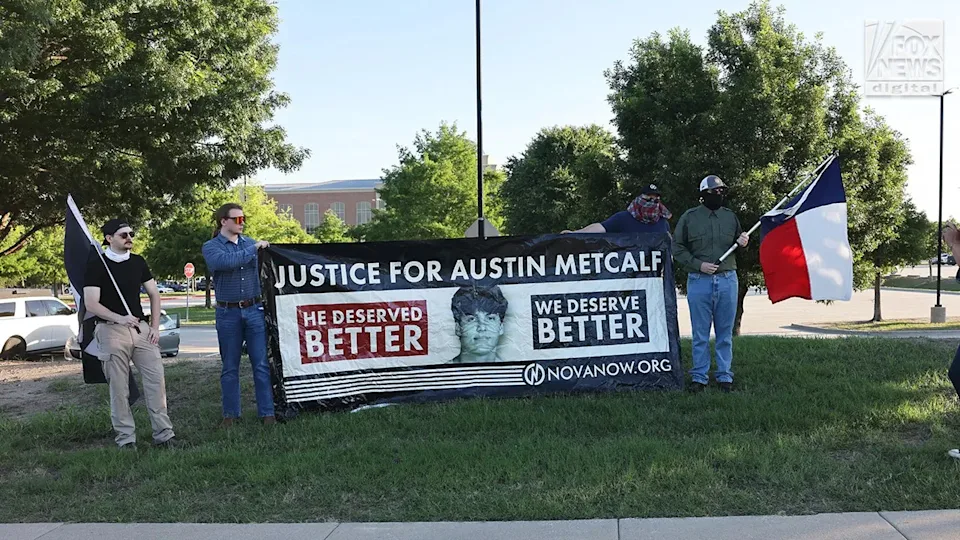
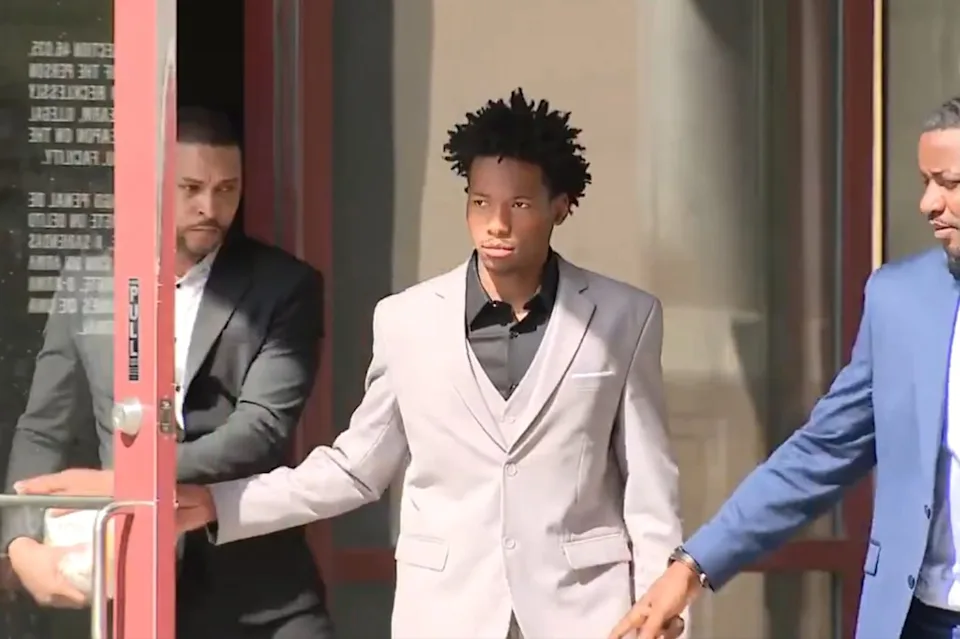
Anthony left the stadium but later turned himself in. During the early investigation, officers say he told them, “I’m not alleged, I did it,” while also claiming he acted in self‑defense. Prosecutors charged him with first‑degree murder and moved him to the Collin County jail.
Self‑defense at the center of the Karmelo Anthony trial
From the start, Anthony and his lawyers have said he feared for his safety. They argue that Metcalf made physical contact first. They say Anthony made a split‑second choice to protect himself when he pulled the knife. The defense plans to rely on Texas self‑defense law and on stadium surveillance video that shows parts of the struggle.
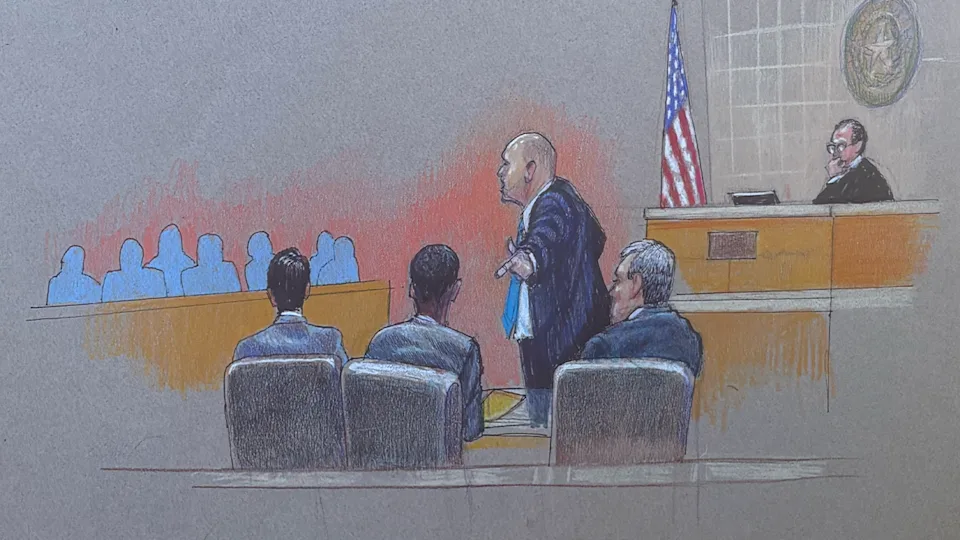
Prosecutors give jurors a very different story. In opening statements, lead prosecutor Bill Wirskye told the panel that Anthony provoked the clash. He called the stabbing a “sneak, surprise attack” and a “senseless murder.” The state says Metcalf “didn’t want a fight” and that Anthony cannot start a confrontation and then hide behind self‑defense.
Legal experts say the karmelo anthony trial will likely turn on that question. Did Anthony reasonably fear serious harm, or did he turn a minor dispute into deadly violence? Jurors will use the video and witness accounts to decide.
Race, social media and a huge jury pool
The Frisco track meet stabbing drew wide attention almost immediately. Posts spread across social media and framed the case in racial terms. Commenters noted that Anthony is Black and Metcalf was white. Supporters of each teen pushed their own version of events long before the first witness took the stand.
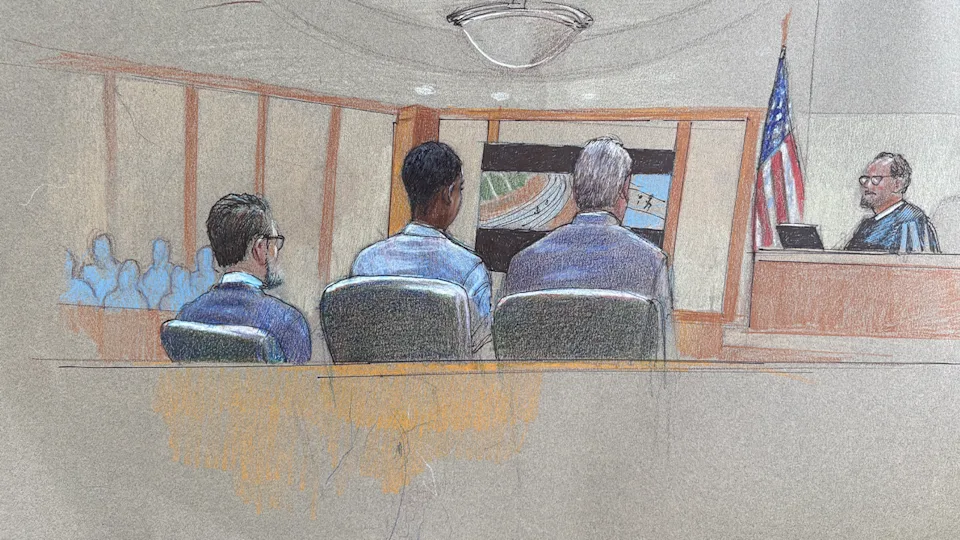
Because of that attention, Collin County called in a very large jury pool. Around 500 people reported to the courthouse in McKinney. They filled out detailed forms and answered questions about self‑defense, media coverage and whether they could stay fair. Judge John Roach Jr. told them he wanted to seat a jury as soon as possible so the karmelo anthony trial could move forward.
The final panel includes 12 jurors and alternates. They come from different jobs and backgrounds, including at least one educator who teaches at a Dallas trade school. But none of them are Black. In a case already tied to race in the public eye, that fact has intensified concerns about fairness.
Batson challenge and jury‑selection fight
Anthony’s defense team tried to block the jury over that issue. They raised what the law calls a Batson challenge. They argued that prosecutors struck some potential jurors, including Black women, because of race. The state denied that claim. Prosecutors told the judge they removed some teachers because those jurors work closely with high‑school students and might identify too much with the teens in this case.
Judge Roach accepted the state’s explanation and turned down the Batson challenge. He said the strikes came from race‑neutral reasons and finalized the panel. That decision left the karmelo anthony trial with a jury that includes no Black members. Civil‑rights advocates and some legal commentators now question how much trust the public will place in the verdict.
What jurors will weigh in the Karmelo Anthony trial
The trial is set to last up to two weeks. Jurors will hear from students who stood near the tent, track officials and police investigators. They will view enhanced versions of the stadium surveillance video. They may also hear audio of Anthony’s comments to officers, including the “I did it” line, along with his claim of self‑defense.
Anthony now stands trial as an adult. He faces one count of first‑degree murder. Because he was 17 at the time of the stabbing, he does not face the death penalty or life without parole. Even so, Texas law allows a sentence from five years to life in prison if the jury convicts him. Parole in such cases often comes only after many years.
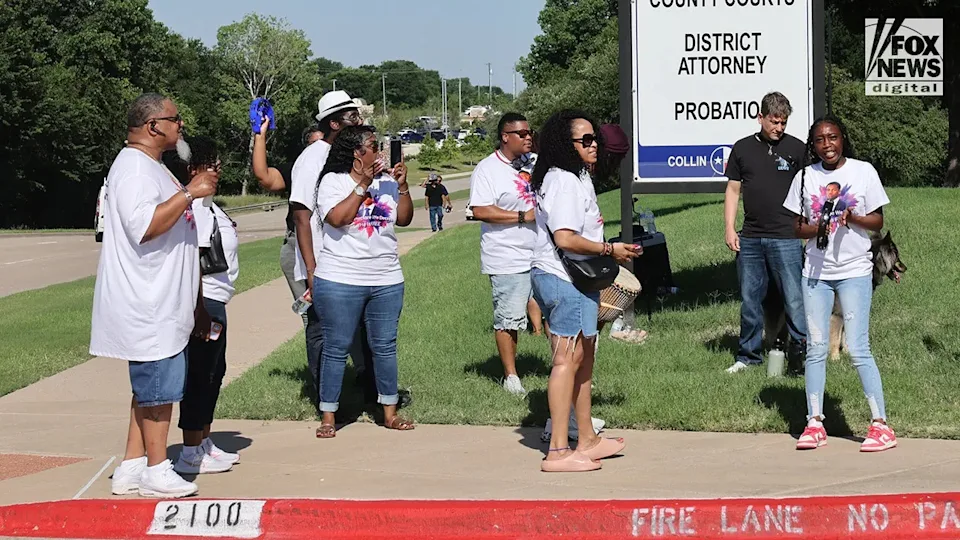
For the Metcalf family, the focus is on accountability for a son who died at what should have been a routine school sports event. For Anthony and his supporters, the karmelo anthony trial raises fears about whether a Black teenager who says he acted in fear can get a fair hearing before a jury with no Black members. Whatever the jury decides, the outcome will shape future debates about race, self‑defense and youth violence in Texas and beyond.